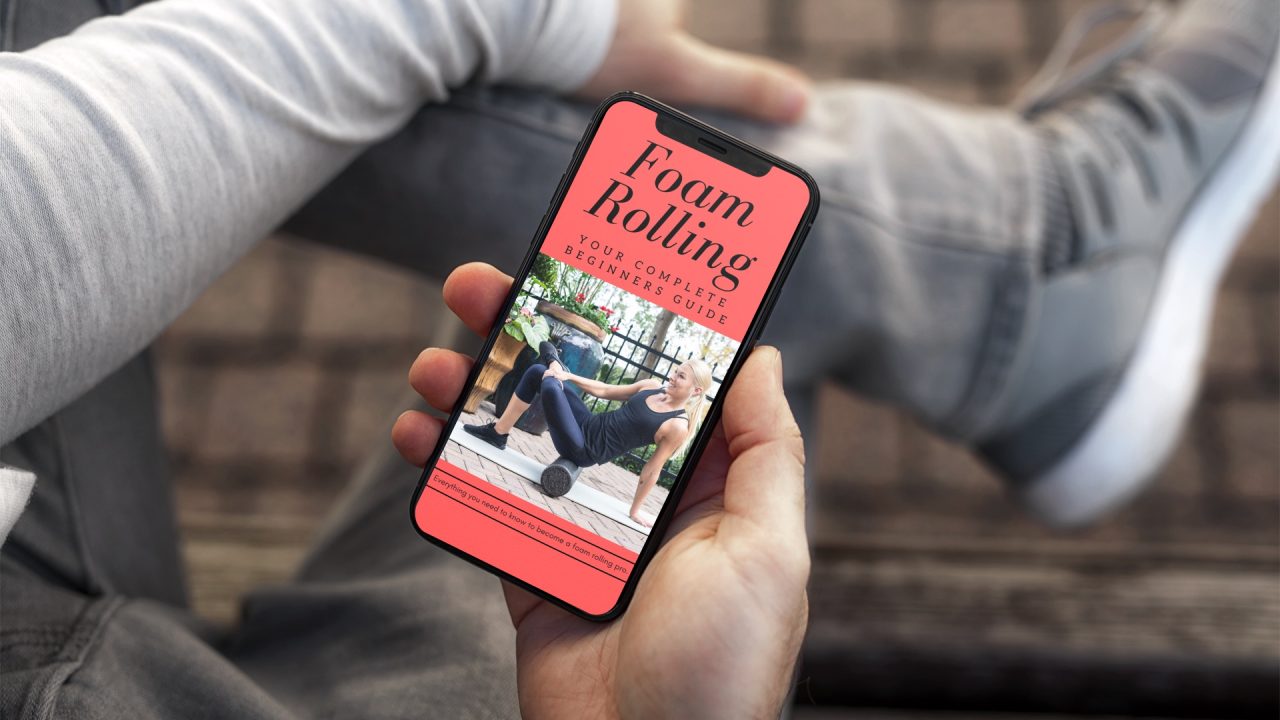
Welcome to a journey towards more flexible, happier muscles! If you’ve ever felt the need to ease muscle tightness, reduce soreness, or simply improve your overall physical well-being, then foam rolling might just be the perfect solution for you. This guide is designed to introduce you to the world of foam rolling, a highly effective self-massage technique that can transform your body in a short amount of time.
Why Foam Rolling?
Foam rolling, also known as self-myofascial release (SMR), is a form of self-massage that helps reduce muscle tightness, soreness, and inflammation while improving circulation and range of motion. The best part? Foam rollers are affordable, easy to travel with, and can make a significant difference in your body’s performance and recovery.
How Does Foam Rolling Work?
Our muscles are surrounded and supported by a network of connective tissues called fascia. When this network becomes blocked due to too little or too much activity, the fascia can become dehydrated, leading to painful adhesions or knots, also known as trigger points. These knots can limit muscle movement and cause painful chain reactions in other parts of the body. Foam rolling helps break up these adhesions, reduce pain, and improve movement by rolling your muscles over a dense foam cylinder, controlling the pressure as you go.
When to Use Your Foam Roller
Foam rolling can be incorporated into your routine in several ways:
- Before Your Workout: Rolling before your workout can prep your muscles and improve performance by increasing blood flow and breaking up any knots that might restrict movement.
- After Your Workout: Rolling your warm muscles post-workout can ease any adhesions or knots that have formed during exercise, speeding up recovery and reducing post-workout soreness.
- As Its Own Workout: Setting aside a few minutes to use the foam roller outside of your exercise routine can help you focus on any stubborn spots, especially if you stand or sit all day at work.
The Many Benefits of Foam Rolling
Foam rolling offers numerous benefits, including:
- Reduced Soreness and Faster Recovery: Studies have shown that foam rolling can decrease post-workout tenderness and speed up recovery.
- Improved Flexibility and Range of Motion: By getting rid of knots in your muscles, you improve their elasticity and help them return to their optimal length, reducing pressure on your joints.
- Pain Relief: Foam rolling can ease back pain, muscle tension, and even help with symptoms related to fibromyalgia. However, it’s important to avoid straining your body by holding it in an awkward or uncomfortable position while using a foam roller.
Foam Rolling Dos and Don’ts
- Do not roll over your joints. Focus on rolling your larger muscles like your legs, glutes, and upper back.
- Avoid using a foam roller on an injury unless a doctor or physical therapist says it’s okay.
- Experiment with different angles to target your muscles effectively. Take your time and breathe!
Foam Rolling Basics
Here are some general tips to help you get started:
- Start with light pressure. If your muscles are tight, it might feel uncomfortable at first. As you get used to it and your muscles become more pliable, the discomfort will decrease.
- Reduce pressure by supporting more of your body weight on your arms or legs.
- Start by rolling for 10-15 seconds, then build up to 30-60 seconds at a time. When you find a tender spot, pause over it for a few moments to help it release. Try to relax and breathe.
- Drink plenty of water after foam rolling to help your body flush out any waste released by your muscles.
Choosing Your Roller
There are different types of foam rollers to choose from:
- Smooth Foam Rollers: Best for beginners and come in different densities. Softer rollers are less intense but less durable, while denser rollers last longer.
- Textured Rollers: Have bumps and ridges to get deeper into the muscle, great for less-tender muscle groups.
- Vibrating Rollers: Help muscles relax even more and are beneficial for stubborn spots.
- Massage Sticks and Balls: Great for targeting smaller areas and hard-to-reach spots like your shoulders, upper back, and chest.
Foam Rolling Exercises
Here are some exercises to get you started:
- Calves: Place the foam roller under your mid-calf and roll to find tender spots.
- Hamstrings: Roll the foam roller up and down your hamstring.
- Piriformis: Sit on the foam roller and roll to find tender spots.
- Quadriceps: Roll up and down the top of your thigh.
- TFL (Tensor Fascia Latae): Roll from your hip down to about 1/4 of the way down your thigh.
- Adductors (Inner Thigh): Roll the upper area of your inner thigh.
- Upper Back: Roll along your upper back.
- Latissimus Dorsi: Roll under your arm.
- Chest: Roll your upper chest.
- Chest Opener: Lie on your back with the foam roller along your spine.
Conclusion
Foam rolling is a simple yet powerful tool that can help you reduce muscle soreness, improve flexibility, and enhance your overall physical well-being. By incorporating foam rolling into your routine, you can enjoy the benefits of more flexible, happier muscles for years to come.
Ready to get started? Download our complete Foam Roller Guide now and take the first step towards a healthier, more flexible you!
