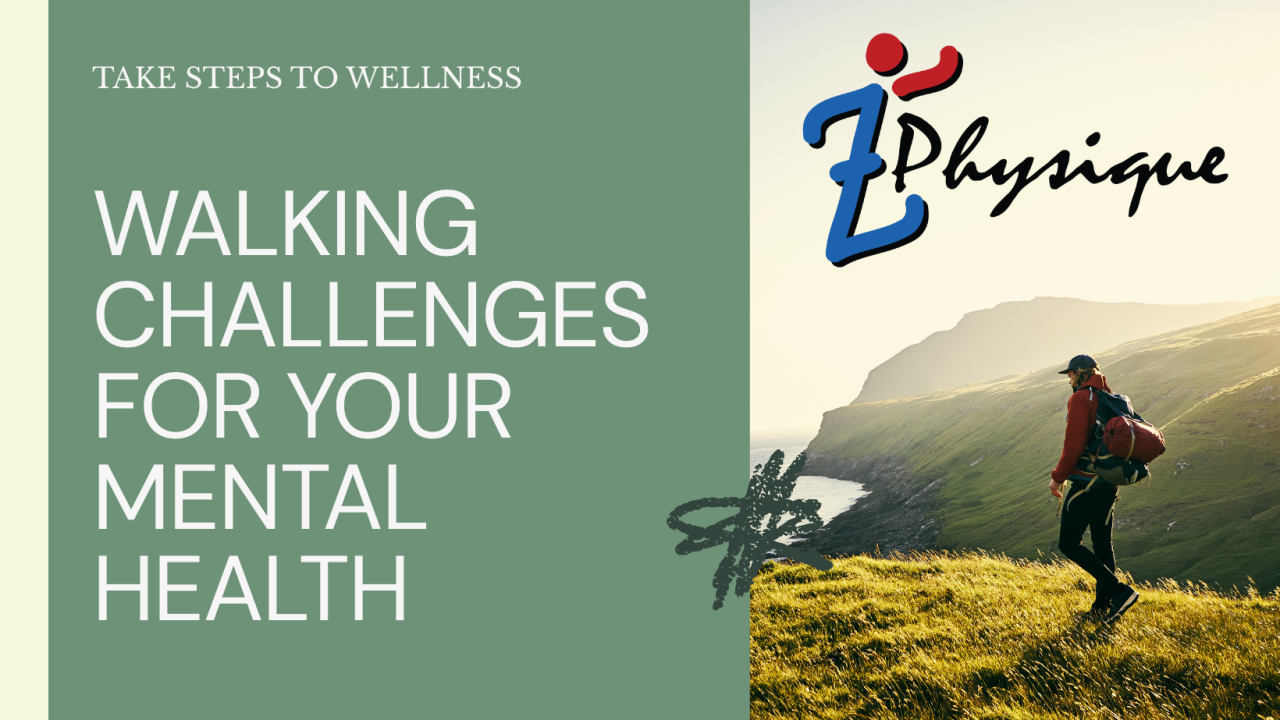
As we step into May, the focus shifts from fresh starts to staying the course. Spring has been about movement, momentum, and creating sustainable habits. Now, it’s time to reflect, realign, and recommit to routines that support not just your physical health—but your mental wellness too. One of the simplest yet most effective tools for this? Walking challenges.
Whether you’re part of an online fitness community or just getting started with movement, walking challenges offer more than just a step count—they help build consistency, reduce stress, and improve overall mental clarity. Let’s dive into the mental health benefits, how to get started, and why this small habit can create big change.
Why Walking Challenges Matter 🧠
We often underestimate the power of walking. It’s low-impact, accessible, and adaptable to nearly every schedule or fitness level. When you turn walking into a challenge—whether that’s 7,000 steps a day or a group competition—it becomes a habit-building, brain-boosting powerhouse.
🟢 Walking challenges promote routine
Sticking to a daily walking goal helps anchor your day. That consistency reduces decision fatigue, which contributes to improved mood and mental clarity. A simple, repeated action becomes a reliable ritual—something your mind can count on.
🟢 Nature + movement = mood magic
If your walking route includes fresh air, sunshine, or greenery, the mental benefits multiply. Studies show that combining movement with nature exposure can reduce anxiety and depression symptoms.
🟢 Challenges build confidence
Each completed day or milestone boosts your sense of accomplishment. That self-efficacy is key to mental resilience. You’re proving to yourself that you can show up—even on tough days.
The Science Behind It 🔬
Let’s break it down. Walking affects several systems that regulate mental health:
🧠 Endorphins: Walking, like other forms of movement, releases endorphins—the body’s natural feel-good chemicals.
💪 Cortisol: Regular movement helps regulate cortisol (the stress hormone), decreasing its negative effects on the brain.
🧬 Neurogenesis: Studies suggest that aerobic activity like brisk walking can encourage the growth of new brain cells, particularly in the hippocampus—a key region for memory and emotional regulation.
And when you pair walking with a group challenge or friendly competition within online fitness memberships, you’re also activating social support, accountability, and motivation—three factors known to improve long-term mental health outcomes.
How to Start a Walking Challenge That Sticks
Creating or joining a walking challenge doesn’t need to be complicated. The key is clarity and consistency.
🎯 Set a simple goal
Start with a daily target that feels doable. For beginners, 5,000 to 7,000 steps per day is a great range. More experienced walkers may aim for 10,000 or higher. The goal should stretch you slightly, but still feel attainable.
👟 Pick a path (or a few)
To keep things fresh, choose a couple of go-to routes for your walks. Include one short, one medium, and one longer option depending on your schedule that day.
📱 Track your progress
Use a pedometer, fitness watch, or step-tracking app to log your steps. Many online gym programs also include built-in tracking and sync with your smartwatch.
🤝 Get social
Whether you’re walking solo or in a group, accountability makes a difference. Invite a friend to join your challenge. Or consider joining an online fitness community where walking challenges are part of the platform.
Mental Health Gains You’ll Notice
The benefits start quickly—often within the first week. Here’s what many participants report after consistent daily walking:
💡 Improved focus and clarity during work or creative tasks
🌙 Better sleep due to energy balance and cortisol regulation
😌 Less anxiety thanks to the calming rhythm of movement
📈 Increased motivation to take on other health goals
Even small wins, like finishing your steps on a rainy day, reinforce your ability to show up for yourself—which builds the foundation for more sustainable lifestyle changes.
Pairing Walking Challenges With Other Healthy Habits
To multiply the benefits, consider integrating these additional wellness tools alongside your challenge:
🧘 Journaling: Reflect on how you feel after each walk
🥗 Balanced meals: Fuel your body with a balanced dinner plate post-walk
🎧 Fitness podcasts: Tune into episodes focused on mental resilience or movement
💬 Online support: Share your progress in a fitness challenge thread or group
These small add-ons can turn your walking challenge into a well-rounded mental health routine.
Real-Life Example: 30-Day Step Challenge
Let’s say you decide to do a 30-day challenge starting May 1st. Here’s how it could look:
📈 Goal: Walk 6,000+ steps every day
📱 Platform: Use a free step tracker + share progress in a private online fitness class group
🤝 Support: Weekly check-ins with your walking partner or group
🎧 Extras: Listen to a new health and wellness podcast each week for inspiration
After 30 days, not only will you likely notice better mental clarity and reduced stress, but you’ll also have created a walking habit you’ll want to continue.
Action Plan: Your First Walking Challenge 🗓️
To get started right now, here’s a simple five-step plan:
🚶 Pick your step goal: Choose a number that feels realistic
📍 Choose your route: Safe, scenic, or both
📲 Download a tracker: Use your phone or wearable to count steps
💬 Invite one person: Friend, family, coworker, or join an online fitness community
📝 Celebrate milestones: Share progress, wins, and even setbacks—this is part of your growth
Want an easy prompt to share your challenge? Post a photo from your walk with a caption like:
“Started a 30-day walking challenge for mental clarity and energy. Who’s in? Let’s move together.”
This encourages engagement and may inspire others to take action too—while helping your mental health one step at a time.
Final Thoughts: Small Steps, Big Shifts 🌀
Walking challenges may seem simple—but their impact on mental health is profound. From lowering stress levels to boosting confidence and creating sustainable habits, they are a low-barrier entry into long-term wellness. If you’ve been feeling overwhelmed or stuck, this might be the easiest and most effective place to start.
Whether you’re looking for workout classes for beginners, a supportive online fitness membership, or just need help finding the right structure, Z Physique is here to support your next step—literally.
Ready to Walk Toward a Healthier You?
Join the movement with Z Physique’s Platinum Membership or explore our à la carte programs like the SPS Method—designed for balance, consistency, and real-life transformation. Add walking challenges to your personal toolkit and discover how small, intentional actions can fuel your mental and physical health for the long haul.
