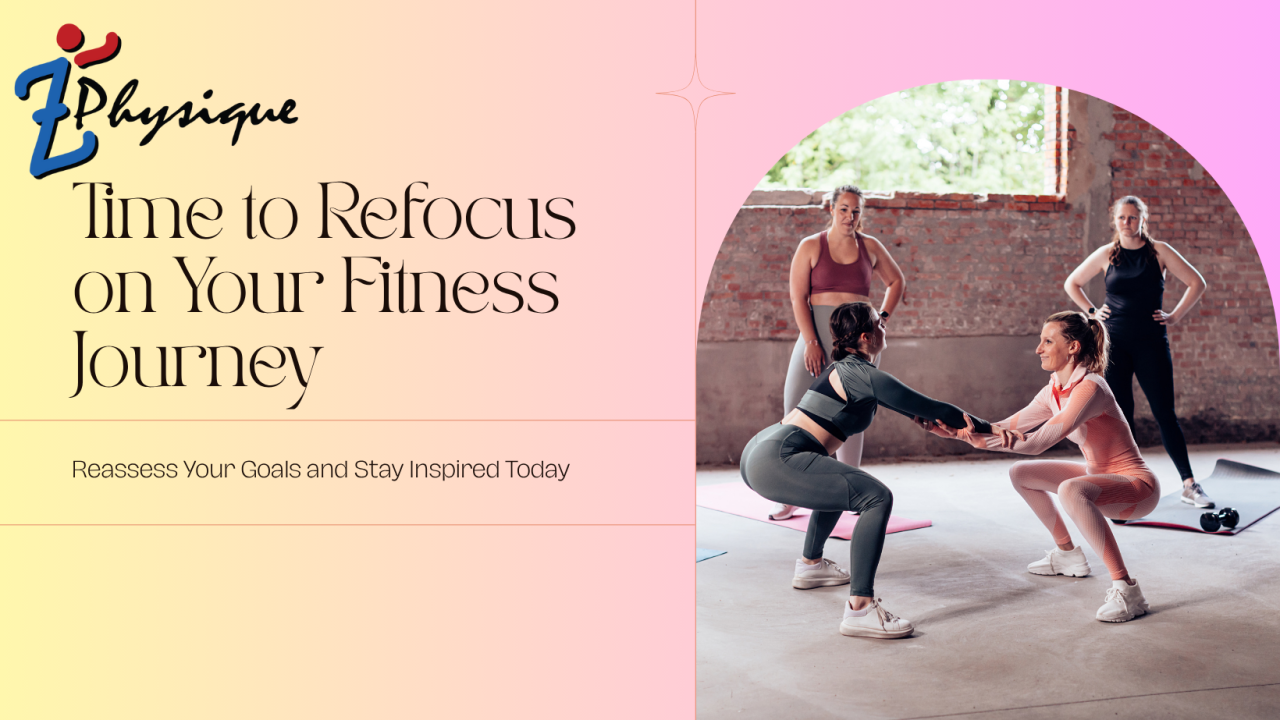
Mid-Year Fitness Check-In: Reset, Refocus, and Move Forward
A mid-year fitness check-in is not about judging everything you did wrong during the first half of the year. Instead, it is an opportunity to pause, evaluate your current habits, and decide how you want to move forward from here.
By the middle of the year, most people have experienced some disruption to their routines. Work schedules change, motivation fluctuates, travel increases, and life becomes unpredictable. Even goals that started with strong momentum in January can begin to feel less structured by summer.
That does not mean you failed.
It means you are human.
The good news is that progress does not depend on having a perfect year. More often, it comes from adjusting when needed, rebuilding consistency, and continuing to take small steps forward over time.
Our June theme, “Stronger Every Day,” reflects that mindset perfectly. Strength is not built through flawless routines or extreme short-term effort. It is built through sustainable habits that continue even when life becomes busy or imperfect.
Why a Mid-Year Fitness Check-In Matters
Most people periodically review important areas of life such as finances, careers, and schedules. Fitness and wellness deserve the same kind of reflection.
A mid-year fitness check-in allows you to step back and ask important questions:
🔍 Does your current routine realistically fit your lifestyle?
🏋️ Are you feeling stronger, more energized, or more consistent?
🌪️ Have stress, travel, or responsibilities disrupted healthy habits?
🧠 Are your goals still aligned with what you truly want right now?
The purpose of this process is not self-criticism. Instead, it helps you identify what is working well, what needs adjustment, and where you may need more structure or support moving forward.
Sometimes even small changes can create significant momentum during the second half of the year.
Reflect Honestly Without Being Overly Critical
One of the most valuable parts of a mid-year fitness check-in is honest reflection. However, honesty should not be confused with negativity.
Many people immediately focus on what they did not accomplish instead of recognizing the progress they actually made.
Take a broader view of your year so far.
Consider questions like:
💭 Have your stress levels improved?
😴 Are you sleeping better than before?
⚡ Do you have more energy throughout the day?
🏃 Are workouts feeling easier or more manageable?
🧘 Have you become more aware of your habits and routines?
Progress is not always reflected by dramatic physical changes alone. Improved consistency, increased confidence, and healthier routines all matter.
At the same time, setbacks can provide useful information. If certain routines became difficult to maintain, that may signal the need for a more flexible or realistic approach moving forward.
Adjust Your Routine for the Season You’re In
One reason many people struggle with consistency is because they continue trying to follow routines that no longer fit their schedule or lifestyle.
Summer often changes daily structure. Vacations, family activities, longer days, and social events can interrupt routines that previously felt manageable during the spring.
Instead of fighting against those changes, adapt your routine around them.
That might include:
🌞 Morning walks before temperatures rise
🏋️ Shorter home workouts during busy weeks
🥗 Simpler meal preparation strategies
🚶 Outdoor movement instead of traditional gym sessions
💧 Prioritizing hydration and recovery during hotter months
Fitness becomes much more sustainable when routines are flexible enough to evolve with real life instead of collapsing whenever schedules change.
Build Momentum Through Smaller Daily Actions
Many people lose motivation because they focus entirely on large end goals while overlooking the value of smaller daily habits.
However, long-term transformation is usually built through repeated smaller actions.
A short workout still reinforces consistency.
Preparing a healthy lunch still supports your goals.
Choosing movement instead of inactivity still matters.
That is why smaller goals are often more effective during a mid-year reset.
Examples might include:
✅ Completing three workouts this week
✅ Taking a short walk each morning
✅ Drinking more water consistently
✅ Preparing meals ahead of busy workdays
✅ Tracking workouts in the Z FIT Studio app
Smaller goals feel more achievable, which helps build confidence and maintain momentum.
Why Recovery Deserves More Attention
Many people evaluate their fitness progress only through workouts, calories, or physical performance. However, recovery habits often have just as much influence on long-term success.
Sleep quality, stress management, hydration, and recovery time all affect:
- energy levels,
- workout performance,
- hormone regulation,
- and overall consistency.
During your mid-year fitness check-in, it is worth asking whether your recovery habits are supporting your goals or working against them.
Some simple improvements might include:
😴 Establishing a more consistent sleep schedule
📵 Reducing screen exposure before bed
🧘 Adding mobility work or stretching sessions
🚶 Incorporating lighter recovery-focused movement days
💧 Improving hydration during warmer months
Recovery is not a sign of weakness or lack of discipline. It is part of sustainable progress.
Avoid the Burnout Cycle
One of the most common mistakes in fitness is assuming that working harder always produces better results.
In reality, constantly pushing at maximum intensity can eventually lead to:
- mental fatigue,
- soreness,
- inconsistent motivation,
- and increased injury risk.
That is why strategic rest and balanced programming matter.
Signs that recovery may need more attention include:
⚠️ Constant exhaustion
⚠️ Persistent soreness
⚠️ Loss of workout motivation
⚠️ Irritability or poor sleep
⚠️ Difficulty maintaining consistency
Sometimes the best way to move forward is not adding more intensity, but improving balance within your routine.
Why Structured Programs Improve Consistency
Consistency becomes much easier when there is a clear plan to follow.
Without structure, many people spend unnecessary mental energy:
- deciding what workout to do,
- searching random videos online,
- or questioning whether their routine is effective.
That uncertainty creates friction.
Structured online fitness memberships help remove that friction by providing:
- guided workout programs,
- progression-based training,
- accountability support,
- and flexible workout schedules.
For busy adults especially, having a system already in place can significantly improve long-term consistency because it reduces decision fatigue and helps maintain momentum during stressful seasons.
🌟 Science Says… Regular Exercise Supports Long-Term Health
According to the Mayo Clinic Exercise Guidelines, consistent physical activity helps support cardiovascular health, energy levels, mobility, mood, weight management, and overall long-term wellness.
Importantly, these benefits are built through regular movement patterns maintained over time — not through short bursts of extreme effort followed by long periods of inactivity.
That idea reinforces an important principle:
sustainable fitness habits tend to produce the strongest long-term results.
Stop Thinking You Need to Start Over
One of the most helpful mindset shifts during a mid-year fitness check-in is recognizing that progress does not disappear because of a few inconsistent weeks or missed workouts.
Many people fall into the trap of believing they need a major reset whenever routines become disrupted. In reality, long-term success usually comes from returning to healthy habits as quickly as possible instead of waiting for the “perfect” time to restart.
That next positive step might be:
- preparing a healthier meal,
- taking a short walk,
- completing a quick workout,
- or recommitting to a more realistic weekly routine.
Progress continues whenever you continue moving forward.
💪 Your Next Step With Z Physique
At Z Physique, we believe fitness should feel supportive, structured, and realistic for everyday life.
Our programs are designed to help busy adults:
- build consistency,
- improve strength,
- increase energy,
- and create sustainable habits without extremes or unrealistic expectations.
Inside Z Physique, you’ll find:
✅ Structured follow-along video workouts created by certified trainers
✅ Online fitness classes designed for real-life schedules
✅ Guided workout calendars and accountability support
✅ Registered dietitian-created meal plans inside the Z FIT Studio app
✅ Mindset-focused courses like Sleep Mastery and Master Emotional Eating
✅ A supportive online fitness community focused on long-term success
👉 Explore the workout library here:
Z Physique Workout Programs
👉 Join the supportive community here:
Z Physique VIP Community
Final Thought
A mid-year fitness check-in is not about perfection or pressure.
It is about awareness, adjustment, and recommitment.
You still have time to build strength, improve consistency, and create meaningful progress during the second half of the year. Often, the most important changes begin with small actions repeated consistently over time.
That is how lasting transformation is built:
one intentional step at a time.
