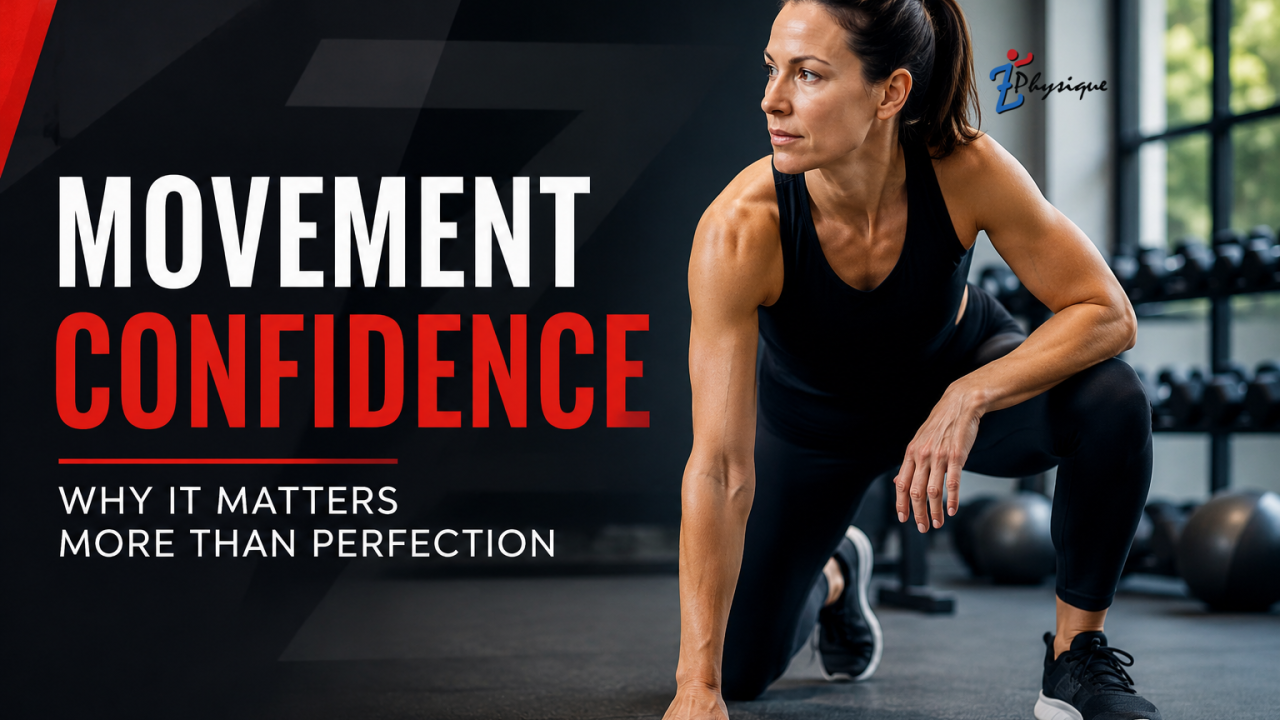
Many people begin a fitness journey focused on visible results. However, movement confidence often becomes one of the most valuable outcomes of regular exercise. While goals such as weight loss, increased strength, improved energy, and better overall health are important, the ability to trust and rely on your body can have an even greater impact on everyday life.
Unlike body weight or strength measurements, movement confidence is difficult to quantify. Yet it influences how people experience everyday life in ways that extend far beyond a workout. It shapes how we move, how we approach physical challenges, and how willing we are to remain active as the years pass.
For many adults, building movement confidence becomes one of the most valuable outcomes of a sustainable fitness routine.
What Is Movement Confidence?
Movement confidence is the trust people develop in their ability to move safely, effectively, and independently.
That confidence rarely appears overnight. Instead, it develops gradually through repeated experiences that reinforce capability. A person completes a workout they once thought was too difficult. They notice improved balance while walking. They recover more easily after a busy day or feel steadier climbing stairs.
Over time, these experiences begin to change the way they view themselves. Rather than focusing exclusively on limitations, they start recognizing what their body is capable of doing.
That shift can be incredibly powerful because confidence built through experience tends to influence behavior long after the workout itself is over.
Why Many Adults Lose Movement Confidence
Movement confidence often decreases gradually rather than suddenly.
As work becomes more sedentary, old injuries create hesitation, and daily responsibilities increase, many adults find themselves moving less without consciously deciding to do so. Certain activities begin feeling less familiar. Balance may feel less reliable. Movements that once seemed automatic require more thought and effort.
Sometimes these changes show up in small ways. People take the elevator instead of the stairs. They avoid activities that require balance. They become hesitant to get down to the floor or participate in recreational activities they once enjoyed.
These experiences are common. More importantly, they are not permanent.
Movement confidence can be rebuilt through consistent practice and intentional movement.
Strength and Movement Confidence Work Together
One reason strength training remains so valuable is that it supports more than muscles. It supports capability.
As strength improves, many everyday activities begin feeling more manageable. Carrying groceries, lifting laundry baskets, getting up from a chair, or navigating daily responsibilities often require less effort and less conscious thought.
These changes may seem ordinary on the surface. However, they frequently create meaningful increases in confidence.
When people trust their ability to move, they are more likely to remain active. In turn, staying active helps them continue building strength, resilience, and physical capability. The relationship works in both directions, creating a positive cycle that supports long-term success.
Why Balance and Stability Matter
Many people think about fitness primarily through the lens of strength or cardiovascular exercise. However, balance and stability deserve attention as well because they directly influence how confidently people move through everyday life.
Balance is not simply about preventing falls. It is about feeling secure while moving. Stability is not only about exercise performance. It supports posture, coordination, body control, and movement efficiency throughout the day.
This is one reason programs that challenge balance and stability in a safe, structured way can be so valuable. They help people develop trust in their movement abilities while building skills that transfer into everyday life.
Movement Confidence Supports Consistency
One of the most overlooked benefits of movement confidence is its impact on consistency.
People are naturally more likely to remain active when movement feels positive and rewarding. They are more likely to exercise when they feel capable rather than intimidated. They are also more likely to continue showing up when they trust their body and believe they can succeed.
This creates an important cycle. Movement builds confidence. Confidence encourages consistency. Consistency supports further progress.
Over time, that cycle becomes self-reinforcing. Rather than relying entirely on motivation, people begin developing habits that support long-term success and make healthy movement a regular part of life.
Why Prime Shift Emphasizes Intentional Movement
Prime Shift was designed around movement quality rather than simply accumulating exercise.
The program incorporates:
- balance
- coordination
- stability
- unilateral strength
- controlled movement patterns
These elements challenge both the body and the mind while encouraging better movement awareness.
More importantly, they help participants develop trust in their movement abilities. That trust often carries beyond the workout itself. Many members discover they feel steadier, stronger, more coordinated, and more confident throughout their daily activities.
Those outcomes matter because fitness should improve life outside the workout just as much as it improves performance inside it.
If you’re looking for structured programs designed to support strength, stability, and long-term progress, explore our workout library
Why Confidence Matters More Than Perfection
Many people delay taking action because they believe they need the perfect plan, the perfect schedule, or the perfect starting point.
However, confidence rarely appears before action. More often, confidence develops because of action.
People become more confident by showing up consistently, practicing new skills, learning from experience, and continuing even when progress feels slower than expected. The process is not always dramatic, and it rarely produces overnight transformation.
Yet meaningful change often happens this way.
Perfection is rarely required. Progress is.
Movement Confidence Creates Freedom
At its core, movement confidence creates freedom.
It creates the freedom to participate in activities you enjoy, stay active with family and friends, explore new experiences, and approach everyday movement with less hesitation. Perhaps most importantly, it creates the freedom that comes from trusting your body rather than constantly questioning it.
These benefits may not receive the same attention as weight loss or physical appearance. However, they often have a far greater impact on long-term quality of life.
That is why movement confidence deserves a place in every fitness conversation.
Because when people feel confident moving, they are more likely to keep moving. And that may be one of the most important health habits of all.
📚 Backed by Research
Research continues to support the importance of physical activity, balance, strength, and mobility for maintaining independence and quality of life as adults age. According to the Mayo Clinic, regular exercise can help improve balance, strengthen muscles, support mobility, and contribute to long-term physical function.
🤝 Let’s Keep Moving Forward
If you’re ready to build strength, stability, and movement confidence, Z Physique is here to help.
💪 Follow-along video workouts created by certified trainers
⚡ Structured programs designed for real life
🧠 Functional strength, balance, and stability training
🥗 Registered dietitian-created nutrition plans inside the Z FIT Studio app
🔥 Coaching and support focused on sustainable success
Explore the full program library
🎁 New to Z Physique?
Start with our free Healthy Lifestyle Starter Guide and begin building the foundation for lasting strength, wellness, and confidence:
