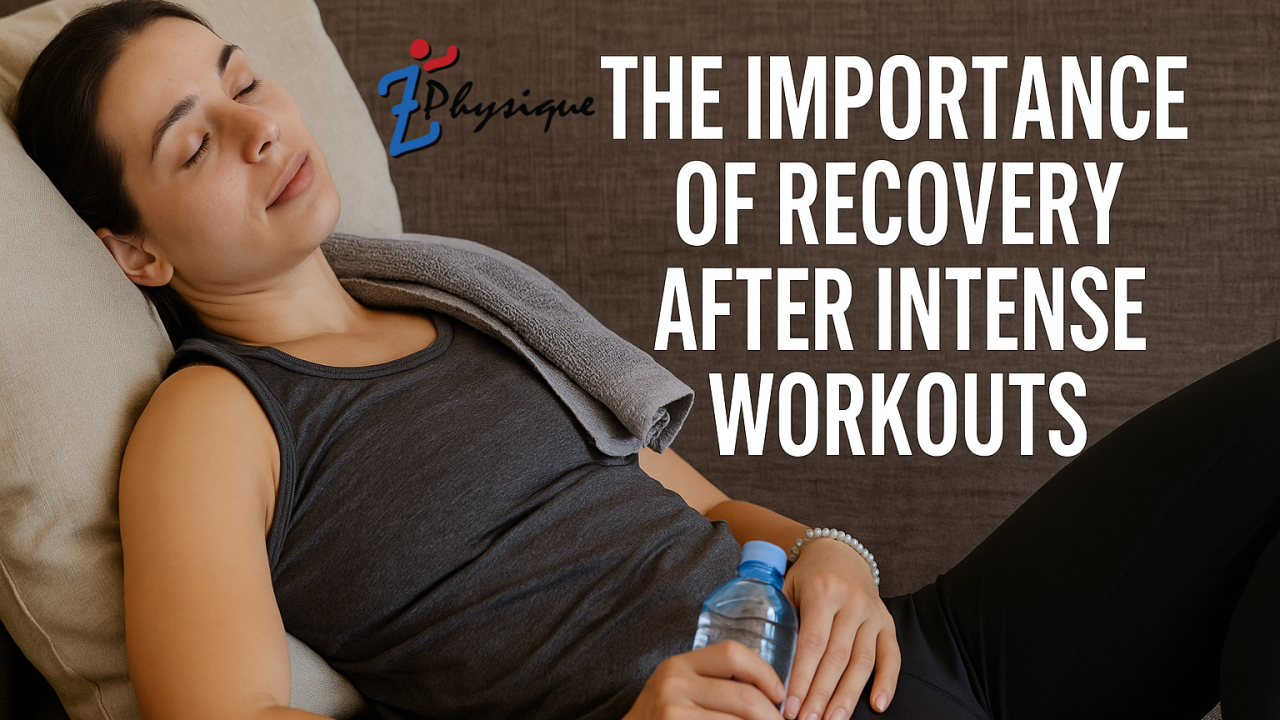
Post Workout Recovery: Why Recovery Is Part of the Training Process
Post workout recovery is often overlooked, yet it plays a major role in how well your body adapts to exercise over time. Workouts challenge the body, but recovery is where rebuilding, repair, and long-term progress actually occur.
After exercise, the body begins restoring energy stores, repairing muscle tissue, regulating stress responses, and adapting to the demands placed on it during training. Without adequate recovery, even the most effective workout program eventually becomes harder to sustain.
That is why recovery should never be viewed as separate from fitness progress. It is part of the process itself.
As part of our “Thankful for Strength” theme, this guide focuses on practical ways to improve post workout recovery so you can support energy levels, reduce unnecessary fatigue, and continue building strength consistently over time.
Why Post Workout Recovery Matters
Every challenging workout creates stress on the body. During strength training and higher-intensity exercise, microscopic muscle damage occurs naturally within muscle fibers. This process is normal and necessary for adaptation.
However, muscles do not grow stronger during the workout itself. They grow stronger while recovering afterward.
That recovery process depends on several factors working together, including:
- hydration,
- nutrition,
- sleep,
- mobility,
- stress management,
- and appropriate recovery time between sessions.
When recovery habits are neglected, fatigue tends to accumulate faster. Energy levels may decline, soreness may linger longer, and workouts can begin feeling progressively harder instead of more productive.
On the other hand, effective post workout recovery supports:
✨ improved energy levels
✨ reduced injury risk
✨ better workout performance
✨ healthier stress management
✨ improved mobility and flexibility
✨ long-term workout consistency
Recovery is not about “doing less.” It is about helping the body adapt more efficiently to training demands.
Hydration Plays a Bigger Role Than Most People Realize
Hydration affects nearly every aspect of recovery. During exercise, the body loses fluids and electrolytes through sweat, especially during intense workouts or training performed in warmer environments.
Those fluids help regulate:
- circulation,
- muscle contraction,
- temperature control,
- and nutrient transport throughout the body.
When hydration levels remain low, recovery can become slower and overall performance may decline.
One of the most effective strategies is maintaining hydration consistently throughout the day instead of only drinking water immediately after workouts.
Helpful recovery-focused hydration habits include:
💧 Drinking water steadily throughout the day
🍋 Replacing electrolytes after longer or high-sweat sessions
🥒 Including hydrating foods such as fruit, vegetables, and broth-based meals
☀️ Increasing fluid intake during hotter months or outdoor workouts
Consistent hydration helps support circulation and allows the body to recover more effectively between training sessions.
Nutrition Supports the Recovery Process
Nutrition is another foundational part of post workout recovery because exercise depletes stored energy and places physical demand on muscles and connective tissues.
After training, the body benefits from replenishing nutrients that support:
- muscle repair,
- glycogen restoration,
- inflammation regulation,
- and overall recovery.
Balanced post-workout meals often include:
🍗 protein to support muscle repair
🍚 complex carbohydrates to restore energy
🥑 healthy fats for overall recovery support
🥬 nutrient-dense vegetables for vitamins and minerals
Recovery nutrition does not need to be overly complicated. In many cases, simple meals and snacks are highly effective.
Options such as:
- Greek yogurt with berries,
- protein smoothies,
- eggs with whole grains,
- or balanced meal-prep bowls
can all help support the recovery process.
Inside the Z FIT Studio app, members also have access to registered dietitian-created meal plans designed to support energy, recovery, and realistic long-term nutrition habits.
Why Rest Days Matter
Many people feel guilty taking rest days, especially when they are highly motivated to make progress. However, recovery days are not interruptions to progress. They are part of the process that allows progress to continue.
Without enough recovery time, the body has fewer opportunities to:
- repair muscle tissue,
- restore energy levels,
- and regulate physical stress effectively.
Rest days can also help reduce the risk of overtraining, excessive soreness, and mental burnout.
That does not necessarily mean complete inactivity. Active recovery often works extremely well because it encourages circulation without placing excessive demand on the body.
Examples include:
🚶 walking
🧘 mobility sessions
🚴 light cycling
💆 stretching
🌿 low-intensity movement
These lighter activities help the body stay moving while still allowing recovery systems to function properly.
Stretching and Mobility Improve Movement Quality
Stretching is one of the simplest ways to support post workout recovery while also improving flexibility and reducing muscular tension.
After workouts, muscles are generally warmer and more responsive to controlled mobility work. Gentle stretching can help improve overall movement quality while reducing feelings of stiffness following training sessions.
Helpful stretching guidelines include:
🌀 Holding stretches for 20–30 seconds
🌬 Focusing on slow, steady breathing
🧩 Prioritizing major muscle groups used during training
🧘 Avoiding aggressive or painful stretching intensity
Mobility and flexibility work also help support posture, joint function, and long-term movement quality — all important factors for sustainable fitness progress.
Recovery Supports Consistency
One of the most overlooked benefits of post workout recovery is how strongly it influences consistency.
When recovery habits improve:
- workouts feel more manageable,
- energy levels stay more stable,
- soreness becomes easier to handle,
- and motivation tends to remain higher.
That creates a healthier cycle:
➡️ recovery improves
➡️ workouts feel stronger
➡️ consistency becomes easier
➡️ progress continues steadily over time
For many people, better recovery habits become the missing link between constantly starting over and finally building sustainable momentum.
Stress Management Matters Too
Recovery is not only physical. Mental stress also affects how well the body recovers between workouts.
High stress levels can influence:
- sleep quality,
- inflammation,
- energy levels,
- and overall recovery capacity.
That is why recovery strategies should include mental recovery practices as well.
Helpful options may include:
🧘 mindfulness or meditation
🌬 deep breathing exercises
🚶 outdoor walks
📵 reducing screen exposure before bed
📖 quiet evening routines that help the nervous system slow down
Even a few intentional minutes of relaxation can help support the body’s ability to recover more effectively.
Sleep Is One of the Most Powerful Recovery Tools
Sleep is where much of the body’s repair and restoration work takes place.
During sleep, the body helps regulate:
- muscle repair,
- hormone balance,
- nervous system recovery,
- and overall energy restoration.
Poor sleep can negatively affect:
- workout performance,
- recovery quality,
- appetite regulation,
- and stress management.
Improving sleep quality does not always require major changes. Often, small adjustments help significantly:
🌙 Establishing a more consistent bedtime
📵 Limiting screens before sleep
❄️ Keeping the bedroom cool and dark
🕯 Creating a calming nighttime routine
Better sleep often leads to improved recovery, stronger workouts, and better long-term consistency overall.
📚 Backed by Research
According to Harvard Health Publishing, recovery strategies such as rest, stretching, hydration, and proper nutrition all help support muscle healing and long-term physical function.
Research also continues to show that combining multiple recovery strategies — including sleep, nutrition, hydration, mobility work, and stress management — produces better overall recovery outcomes than relying on a single method alone.
That reinforces an important idea:
recovery is most effective when it becomes part of a consistent lifestyle rather than something used only after exhausting workouts.
💪 Take the Next Step
At Z Physique, we believe sustainable fitness requires more than workouts alone. Recovery, nutrition, structure, and consistency all work together to support long-term progress.
Inside Z Physique, you’ll find:
✅ Structured follow-along video workouts created by certified trainers
✅ Guided workout calendars designed for real-life schedules
✅ Registered dietitian-created meal plans inside the Z FIT Studio app
✅ Mindset-focused support through Mind Body Reboot courses
✅ A supportive online fitness community focused on accountability and encouragement
👉 Explore the workout library here:
Z Physique Workout Programs
👉 Join the supportive community here:
Z Physique VIP Community
Final Thought
Post workout recovery is not about slowing progress down.
It is about creating the conditions that allow progress to continue.
When you support your body through proper recovery habits, workouts become more sustainable, energy becomes more consistent, and long-term results become easier to maintain.
Strength is not only built through hard training sessions. It is also built through how well you recover afterward.
